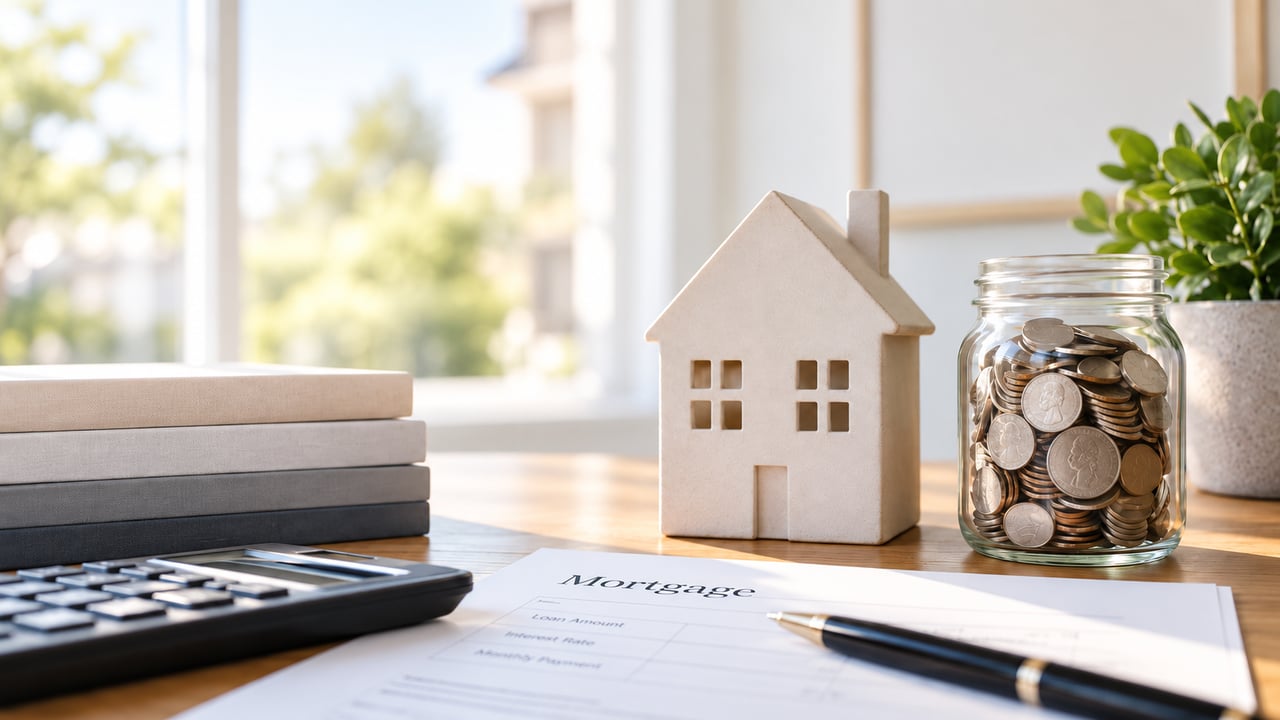
Closing costs cover the fees and upfront expenses involved in finalizing a home purchase and mortgage. For early planning, the Consumer Financial Protection Bureau (CFPB) suggests roughly 2%–5% of the purchase price, excluding the down payment. Your actual amount depends on the property, location, loan, and transaction details.
Saving for a down payment solves one part of the homebuying budget. You also need funds for the transaction itself, from lender charges and title services to insurance payments collected in advance.
The useful question goes beyond “What are closing costs?” Ask how much you’ll spend before closing, how much you’ll bring to settlement, and how much you’ll keep available afterward. Those three numbers give you a clearer picture than a percentage alone.
Related: What New Real Estate Agents Should Do in Their First 90 Days
What Are Closing Costs on a House?
Closing costs include charges for arranging financing, completing settlement services, and transferring ownership. They also commonly include advance payments toward expenses such as homeowners insurance and property taxes. The CFPB’s overview of closing fees explains that the purchase contract and state law can affect who pays particular charges.
Keep these terms separate when reviewing your budget:
Term | What It Means | Budgeting Implication |
|---|---|---|
Down payment | The portion of the purchase price you contribute rather than finance. | Plan for it separately from closing costs. |
Closing costs | Transaction charges and upfront expenses associated with completing the purchase and loan. | Some may come due before closing day. |
Cash to close | The remaining amount you need to provide at settlement after applicable payments, credits, and adjustments. | Use this figure to confirm your final funding requirement. |
The CFPB’s Loan Estimate explainer shows how the down payment, closing costs, deposit, and seller credits feed into estimated cash to close. A deposit you already paid generally reduces the remaining amount due; it doesn’t create a second down payment.
How Much Should Buyers Budget for Closing Costs?
Use the 2%–5% range as a starting worksheet, then replace it with property-specific estimates. The following figures apply that range to hypothetical purchase prices:
Illustrative planning amounts, excluding the down payment.
Home Price | At 2% | At 5% |
|---|---|---|
$300,000 | $6,000 | $15,000 |
$500,000 | $10,000 | $25,000 |
$800,000 | $16,000 | $40,000 |
These calculations don’t predict a particular buyer’s bill or establish a cap. Local taxes, insurance premiums, loan charges, and other details can move costs outside the range. Leave room in your initial plan for estimates to change.
Keep moving expenses, immediate repairs, and an emergency cushion outside the transaction budget. Also ask your lender whether your loan requires financial reserves, meaning money you must retain rather than spend at closing.
Which Expenses Can Appear in Closing Costs?
Lender and Third-Party Charges
Common examples include loan origination and underwriting charges, credit report fees, an appraisal, a property survey when needed, and settlement or attorney services. Each transaction brings a different mix. Freddie Mac’s guide to closing expenses outlines these categories.
An appraisal evaluates the property’s value, while an inspection examines its condition. Budget for both when applicable, and ask when payment comes due. Track expenses paid before closing so you don’t count the same invoice again in your remaining cash requirement.
Title Services and Government Charges
Title-related charges may include a title search, insurance, and settlement services. Government charges can include recording fees and transfer taxes, depending on the jurisdiction and transaction.
Ask which title policies your estimate includes. A lender’s policy protects the lender’s interest. An owner’s policy provides separate protection for your ownership interest, subject to its terms. The CFPB’s title insurance and closing services guide explains the distinction and how to compare available providers.
Prepaids and Initial Escrow Funding
Prepaids cover expenses collected in advance, such as a homeowners insurance premium and interest for part of the closing month. Initial escrow funding puts money into an account used to pay future property tax and insurance bills.
These amounts affect your upfront cash needs even though they don’t all represent service fees. The CFPB’s Closing Disclosure explainer separates prepaids from the initial escrow payment. Ask your lender to explain the periods covered by each line.
Loan-Specific and Agreement-Specific Expenses
Your financing may carry upfront mortgage insurance or other program charges. Ask which apply, whether financing them is permitted, and how that would change the loan balance.
Also review any buyer-broker compensation you may owe under your representation agreement. Compensation is negotiable, and the seller doesn’t automatically cover your obligation. The National Association of REALTORS®’ guide to written buyer agreements explains how payment arrangements can differ. Confirm any amount you’ll pay before setting your final purchase budget.
How Do You Calculate the Cash Still Due at Closing?
Consider a hypothetical $500,000 purchase with a 10% down payment. Assume $15,000 in total closing costs, including prepaids and escrow, a $10,000 earnest money deposit, $1,000 of costs already paid, and an allowable $3,000 seller credit.
Illustrative example only. Assumes no lender credits, financed closing costs, or other adjustments.
Item | Amount |
|---|---|
Down payment | $50,000 |
Add total closing costs | +$15,000 |
Subtract earnest money already deposited | −$10,000 |
Subtract costs already paid, included in the $15,000 above | −$1,000 |
Subtract seller credit | −$3,000 |
Remaining cash to close | $51,000 |
Your total cash contribution toward this purchase would equal $62,000: the $11,000 already paid plus $51,000 at closing. Moving costs and other expenses outside this example would come on top.
Use the lender’s and settlement agent’s final calculation for your transaction. The Closing Disclosure’s cash-to-close calculation accounts for amounts paid before closing and other adjustments. Check whether credits already appear in your quoted totals before subtracting them again.
Related: What Factors Affect a Home's Resale Value?
Can Buyers Reduce Their Upfront Closing Costs?
Some options reduce charges; others shift when or how you pay. Compare the full tradeoff.
- Compare lender offers. Review rates, origination charges, credits, and loan terms together. The CFPB’s loan comparison guidance cautions that a lower estimate for taxes or insurance doesn’t necessarily indicate a less expensive loan.
- Shop for eligible services. Ask which providers you can choose, then compare the scope and total price of their services.
- Discuss seller contributions. A seller credit requires negotiation and lender approval. Loan-program limits and eligible-cost rules apply. For example, Fannie Mae’s contribution rules limit financing concessions and prohibit using these contributions for the buyer’s down payment or required reserves.
- Evaluate lender credits and points. A lender credit often lowers upfront costs in exchange for a higher interest rate. Discount points increase upfront costs in exchange for a lower rate. The CFPB recommends comparing options across different loan-holding periods to understand the tradeoff.
A “no-closing-cost” offer still deserves a close look. Ask how the lender covers the charges and what changes in your rate, payment, or balance. Don’t assume every purchase-loan fee can simply roll into the mortgage.
What Should You Verify Before Closing?
For most standard home purchase mortgages, the lender must provide a Loan Estimate within three business days of receiving your application. It outlines expected loan terms and costs. Certain loan types use different disclosures.
For covered mortgages, you must receive the Closing Disclosure at least three business days before closing. Compare it with your Loan Estimate and ask about changes before signing.
Use these questions to turn the paperwork into a practical funding plan:
- Which costs must I pay before closing, and where do those payments appear?
- Does this total include prepaids, initial escrow funding, and any compensation I owe?
- Which seller or lender credits appear, and have they already reduced the total?
- Which estimates could still change, and why?
- How much cash must I provide, by what deadline, and what funds must remain available afterward?
FAQs
Do Cash Buyers Pay Closing Costs?
Yes. Paying without a mortgage avoids loan-related charges, but ownership-transfer and settlement expenses can remain. Ask the settlement agent to itemize the costs for your cash purchase rather than applying a mortgage-based estimate.
What Is Closing Cost Assistance?
Closing cost assistance helps eligible buyers cover certain purchase expenses. Programs may offer grants or loans with different repayment conditions. For example, the Pennsylvania Housing Finance Agency lists several assistance options. Check programs in your own location, and confirm eligibility, repayment terms, and compatibility with your mortgage before counting on the funds.
Build a Purchase Budget Before You Make an Offer
A useful budget connects the purchase price with upfront costs, ongoing ownership expenses, and the cash you want to retain. Start with The Nav Agency’s homebuying guide, then ask your lender for estimates tied to the homes you’re considering.
When you’re ready to plan your purchase, connect with The Nav Agency to discuss your search, offer strategy, and next steps alongside your lender and settlement team.