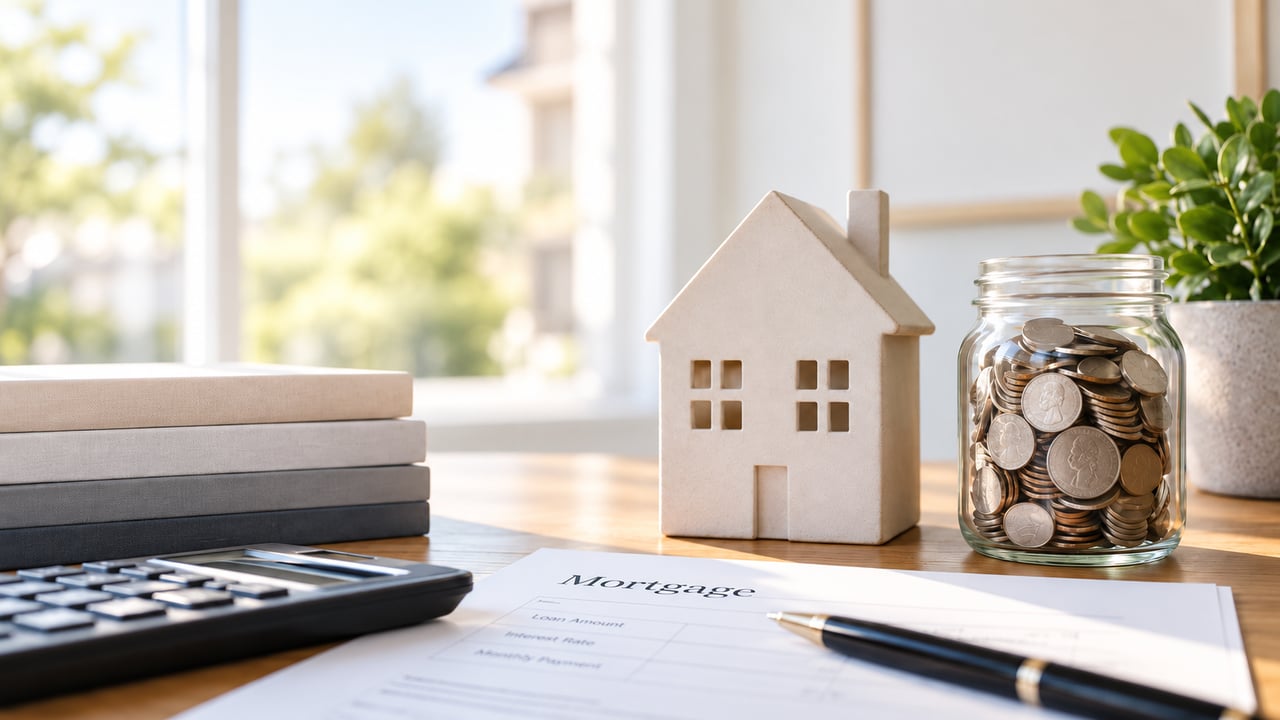
Asking “How much is my home worth?” is usually the first step toward a bigger decision. You may be thinking about selling, refinancing, using home equity, updating your insurance coverage, or simply understanding where your property stands in the current market.
The most accurate answer depends on more than a quick online estimate. Your home’s value is shaped by comparable sales, current buyer demand, location, condition, property features, timing, and the way your home is positioned against other active listings. A thoughtful valuation should look at both the data and the details that make your property different.
Related: How Do I Know When It's the Right Time to Sell My Home?
Short Answer: What’s My Home Worth?
Your home is worth what a qualified buyer is willing to pay in the current market, supported by comparable sales, property condition, location, and, in many transactions, an appraisal. Online estimates can provide a starting point, but they are not a substitute for a local pricing analysis or a professional appraisal.
If you are preparing to sell, the better question is not only “What’s my home worth?” but also “What price will help me reach my goal based on today’s market, my timeline, and the competition?”
What Determines How Much Your Home Is Worth?
Home value is not based on one number or one formula. A strong pricing opinion looks at several factors together.
Comparable Sales
Comparable sales, often called “comps,” are recently sold homes that are similar to yours in relevant ways. These may include location, property type, square footage, lot size, age, condition, layout, updates, and amenities.
Fannie Mae’s appraisal guidance explains that appraisers look at the subject property’s market area, assess its characteristics, and identify similar comparable sales when developing an opinion of value.
Comps matter because they show what buyers have actually paid, not just what sellers hoped to receive. However, not every nearby sale is a useful comp. A home across the street may not be comparable if it has a different layout, condition, size, view, renovation level, parking setup, or property type.
Current Competition
Recent sales tell part of the story. Active listings tell another.
If similar homes are currently listed at attractive prices, buyers may compare your home against those options before making an offer. If your home offers stronger presentation, condition, layout, or features, it may be positioned differently. If competing listings are sitting on the market or reducing prices, that can also affect strategy.
This is why pricing should consider both sold data and current inventory. A home’s value is not determined in isolation. It is shaped by what buyers can choose from at the same time.
Property Condition and Updates
Condition can influence buyer perception quickly. Two homes with similar square footage and location may receive very different responses if one feels move-in ready and the other needs major repairs or updates.
Important condition factors may include:
- Roof, windows, HVAC, plumbing, and electrical systems
- Kitchen and bath updates
- Flooring, paint, lighting, and fixtures
- Exterior maintenance and curb appeal
- Functional layout and storage
- Basement, garage, outdoor space, or other usable areas
Not every update produces the same return, and sellers should avoid assuming that every improvement adds dollar-for-dollar value. A local real estate advisor can help you understand which updates may matter most to buyers in your price range and market.
Location and Property Features
Location still plays an important role, but it should be discussed carefully and specifically. Buyers may evaluate commute access, public transportation, nearby amenities, parks, shopping, restaurants, property type, lot characteristics, building style, and other personal priorities.
Property-specific features can also affect value. These may include parking, outdoor space, views, natural light, floor plan, ceiling height, storage, building amenities, HOA rules, condo reserves, rental restrictions, or recent improvements.
The key is to focus on objective, property-based factors rather than broad or subjective claims.
Market Timing
Market conditions can change by season, price point, property type, and neighborhood. A pricing strategy that worked six months ago may not fit the current level of inventory or buyer activity.
That does not mean sellers should try to “time the market” perfectly. Instead, they should understand the market they are entering. A well-prepared pricing strategy considers what buyers are seeing now, how quickly comparable homes are moving, and whether similar properties are receiving strong offers, price reductions, or longer marketing times.
Online Home Value Estimates: Helpful, But Limited
Online home value tools can be useful for a general starting point, especially when you are in the early stage of asking, “What’s my home worth?” They often use public records, recent sales, property data, and automated valuation models to produce an estimate.
The limitation is that these tools may not fully understand your home’s condition, finishes, floor plan, views, renovations, exact location, or buyer response to your property’s presentation. They also may not distinguish between a thoughtful renovation and a cosmetic update, or between a home that photographs well and one that needs significant preparation.
Automated estimates can also vary from one platform to another because each model uses different data and assumptions. For that reason, treat them as a conversation starter, not a final pricing decision.
Home Value vs. List Price vs. Appraised Value
Homeowners often use these terms interchangeably, but they are not the same.
Home Value
Home value is the estimated market value of your property based on relevant data and buyer behavior. It reflects what your home may reasonably sell for in the current market, though no estimate can guarantee the final sale price.
List Price
The list price is the asking price you choose when putting the home on the market. It is a strategy, not just a value statement. A listing price can be set at, below, or above the estimated market value depending on the seller’s goals, market conditions, property condition, and competitive positioning.
For example, a seller may price a home to encourage strong early activity, leave room for negotiation, or reflect a unique property feature. The right strategy depends on the property and the market.
Appraised Value
An appraisal is an independent opinion of value, commonly used by lenders during a mortgage transaction. The Consumer Financial Protection Bureau explains that when a buyer borrows money to buy or refinance a home, the lender may need an appraisal, and borrowers are generally entitled to receive a copy of appraisals and other written valuations obtained by the lender for a first mortgage.
An appraisal can affect a transaction if the appraised value comes in below the contract price. In that situation, the buyer and seller may need to evaluate options under the contract, which could include renegotiation, additional funds from the buyer, a reconsideration process, or another path depending on the agreement, lender, and local rules. The CFPB notes that buyers may review the appraiser’s work carefully or consider renegotiation if the appraisal is well below the offered price.
How Real Estate Agents Estimate Home Value
A real estate agent typically prepares a comparative market analysis, or CMA. A CMA is not the same as an appraisal, but it can be highly useful when preparing to sell.
A strong CMA may include:
- Recent comparable sales
- Active and pending listings
- Price reductions and days on market
- Property condition and updates
- Lot size, layout, views, parking, and amenities
- Buyer demand in the relevant price range
- Market timing and seller goals
The best CMAs do more than pull a few nearby homes. They interpret the data. For example, a skilled agent may explain why one sale should carry more weight than another, why a renovated comp may need an adjustment, or why active competition may affect the pricing window.
Fannie Mae’s guidance on comparable sale adjustments notes that appraisers must reconcile adjusted values and explain why certain sales receive more weight in the valuation. While a CMA and appraisal serve different purposes, both require judgment about which data points are most relevant.
Why the Highest Estimate Is Not Always the Best Pricing Strategy
It can feel appealing to choose the highest possible number. However, overpricing can create risk.
If a home enters the market above what buyers see as reasonable, it may receive fewer showings, weaker feedback, or no offers. Over time, buyers may begin to wonder whether something is wrong with the property, even if the only issue is price. A later reduction can help, but the first wave of attention is often important.
Underpricing can also create risk if it does not align with the seller’s goals or market conditions. A pricing strategy should be intentional, not automatic.
The strongest approach is to define your goal first. Are you trying to maximize price, reduce time on market, coordinate a purchase, avoid multiple rounds of preparation, or create room for negotiation? Once your goal is clear, your agent can help you evaluate the data and choose a listing strategy that supports it.
How to Increase Your Home’s Value Before Selling
Not every seller needs a major renovation before listing. In many cases, the goal is to improve buyer perception, remove friction, and help the home show clearly.
Before spending money, consider these steps:
Start With Repairs That Affect Confidence
Buyers may be more cautious when they see visible maintenance issues. Addressing obvious repairs can help reduce concern and keep the focus on the home’s strengths.
This may include leaky faucets, damaged trim, broken fixtures, peeling paint, loose railings, malfunctioning doors, or other visible defects. Larger repairs should be discussed with your agent because the right choice depends on cost, market expectations, timing, and likely buyer response.
Improve Presentation Without Over-Customizing
Fresh paint, thoughtful lighting, clean landscaping, and simple staging choices can help buyers understand the space. The goal is not to erase personality completely, but to make the home easy to evaluate.
Neutral presentation often helps buyers focus on layout, natural light, room size, and flow.
Understand Which Updates Matter in Your Market
A kitchen update, bathroom refresh, or flooring change may help in some situations, but not every project makes sense before selling. The likely impact depends on your home’s current condition, comparable listings, buyer expectations, and price point.
Before investing in larger projects, ask your agent to compare the potential value impact with the cost, timeline, and disruption.
When Should You Get a Home Valuation?
You do not need to be ready to list tomorrow to ask for a pricing conversation. In fact, earlier guidance can be useful.
Consider getting a valuation when:
- You are thinking about selling within the next year
- You want to understand your equity before buying another home
- You are deciding whether to renovate or sell as-is
- You are reviewing refinancing or home equity options with a lender
- You inherited a property or are helping a family member evaluate next steps
- You want to compare your home against current market activity
A valuation can help you plan. Even if you decide not to sell right away, you may leave the conversation with a better understanding of which repairs, updates, or timing decisions deserve attention.
What Information Helps an Agent Estimate Your Home’s Worth?
To receive a more useful estimate, gather the details that may not be obvious from public records.
Helpful information may include:
- Recent renovations and approximate dates
- Major system updates, such as roof, HVAC, plumbing, or electrical
- HOA fees, assessments, or building rules, if applicable
- Floor plans or survey information, if available
- Permit records for completed work, where relevant
- Known repairs or issues
- Your ideal timeline and reason for evaluating value
The more context your agent has, the better they can separate a generic estimate from a realistic pricing conversation.
What If Your Home Is Unique?
Some homes are harder to value because they do not have obvious comps. This may include custom homes, luxury properties, historic homes, mixed-use properties, unusually large lots, homes with major renovations, or properties in areas with limited recent sales.
In those cases, valuation requires more judgment. An agent may need to look at competing market areas, adjust for property differences, and evaluate how a specific buyer pool may respond. Fannie Mae allows appraisers to consider comparable sales from competing market areas when those are the most appropriate available comps, with explanation.
For sellers, this means pricing may involve a range rather than a single obvious number. Presentation, marketing, and negotiation strategy become especially important.
The Bottom Line on How Much Your Home Is Worth
Your home’s worth depends on more than an online estimate or a single comparable sale. It depends on current market conditions, buyer demand, property condition, competing listings, recent sales, and the strategy behind your list price.
A good valuation should help you make a decision, not just give you a number. It should explain where the number comes from, what could change it, and how your pricing strategy can support your goals.
If you are asking, “How much is my home worth?” The Nav Agency can help you evaluate your home’s position in the market with a clear, personalized strategy. Whether you are preparing to sell soon or simply exploring your options, you can connect with The Nav Agency to discuss pricing, preparation, and next steps.